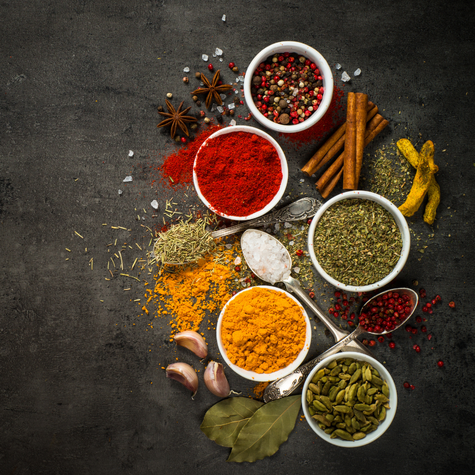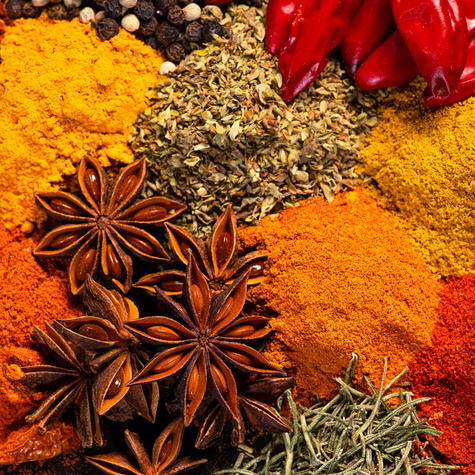
spices
Indian spices are renowned worldwide for their rich aroma, vibrant colors, and distinctive flavors that enhance any cuisine. These spices are derived from seeds, roots, bark, leaves, and fruits of various plants, offering both culinary and medicinal benefits. From the fiery heat of red chili to the earthy warmth of turmeric and the subtle sweetness of cardamom, each spice contributes a unique taste and character to traditional and modern dishes alike. India, known as the “Land of Spices,” remains one of the largest producers and exporters of a wide variety of spices to global markets.
Beyond their flavor, Indian spices are treasured for their health-promoting properties. Turmeric is valued for its anti-inflammatory benefits; cumin aids digestion; cinnamon helps regulate blood sugar; and cloves possess antiseptic qualities. These natural ingredients are often used in Ayurvedic medicine and home remedies for boosting immunity, improving metabolism, and maintaining overall wellness. The diverse climatic conditions across India allow for the cultivation of a broad range of spices, from cardamom grown in Kerala’s lush hills to cumin and coriander from Rajasthan and Gujarat.
Spices are not just ingredients—they are a reflection of India’s culture, heritage, and trade legacy. They form the heart of Indian cuisine and are used in curries, pickles, masalas, and even beverages like chai. With increasing global demand for authentic flavors, Indian spices continue to dominate international markets, appreciated by chefs and food lovers alike for their quality and authenticity. Whether whole, ground, blended, or processed, Indian spices bring warmth, depth, and tradition to every meal they touch.